Mostbet – Oficjalna strona kasyna i bukmachera w Polsce
Doświadcz najlepszych bonusów powitalnych, emocjonujących gier kasynowych oraz szerokiej oferty zakładów sportowych. Zarejestruj się już dziś i zwiększ swoje szanse na wygraną!
Doświadcz najlepszych bonusów powitalnych, emocjonujących gier kasynowych oraz szerokiej oferty zakładów sportowych. Zarejestruj się już dziś i zwiększ swoje szanse na wygraną!
Mostbet od kilku lat buduje w Polsce wizerunek „centrum wszystkiego” – miejsca, gdzie można płynnie przełączać się między rozbudowanym bukmacherem a kasynem online z ponad 4 000 tytułami. Ponieważ operator działa na licencji Curaçao, gracze w Polsce naturalnie zadają sobie dwa pytania: czy to legalne i czy bezpiecznie jest rejestrować się, wpłacać oraz wypłacać środki z takiego serwisu?
Krótka odpowiedź brzmi: tak, o ile przestrzegasz kilku praktycznych zasad. Poniższy poradnik – około 2 000 słów – rozwija tę odpowiedź krok po kroku: pokazuje, jak założyć konto, odebrać najbardziej opłacalny pakiet powitalny, przesyłać złotówki bez przewalutowań oraz korzystać z aplikacji Android / iOS, by obstawiać Ekstraklasę w drodze tramwajem przez Kraków. Znajdziesz też dwie tabele: jedną z kluczowymi warunkami bonusów, drugą z pełną listą metod płatności dla mieszkańców Polski.
Czy Mostbet jest legalny w Polsce?
Polskie prawo hazardowe rozróżnia organizatorów i uczestników. Licencję MF ma dziś tylko kilka podmiotów, lecz prywatni gracze mogą legalnie korzystać z zagranicznych stron, jeśli zakłady są rozliczane poza granicami RP. Mostbet posiada sub-licencję Curaçao eGaming 8048/JAZ, która – choć mniej restrykcyjna niż UKGC – wymaga audytów RNG i rozdzielenia środków graczy. Organy w Polsce ścigają przede wszystkim nielicencjonowanych operatorów, a nie osoby fizyczne, dlatego rekreacyjna gra na Mostbet nie narusza kodeksu karnego.
Lobby filtrowane jest po dostawcach – Pragmatic Play, NetEnt, Wazdan – albo po zmienności. Progresywne jackpoty, np. Mega Moolah, potrafią przekraczać 10 mln PLN. Każdy slot i gra crash mają tryb „demo”, więc możesz testować RTP bez ryzyka.
| Dyscyplina | Udział w ogólnej liczbie zakładów | Sezon szczytowy | Najczęstszy rynek |
| Piłka nożna (Ekstraklasa + LM) | 43 % | VIII–V | Powyżej/Poniżej 2,5 gola |
| Siatkówka (PlusLiga) | 18 % | X–IV | Zwycięzca meczu |
| Tenis (ATP/WTA) | 12 % | cały rok | Handicap setów |
| Esport (CS:GO) | 9 % | Majory | Zwycięzca mapy |
| Hokej (NHL, KHL) | 6 % | X–VI | Moneyline 60 min |

Wpłać co najmniej 50 PLN w ciągu 15 min od rejestracji, a otrzymasz 125 % do 2 000 PLN + 250 darmowych spinów rozłożonych na 5 dni. Kod STARTPL gwarantuje najwyższy próg dopłaty.
Dołącz do kanału @Mostbet_PL na Telegramie; dwa razy w miesiącu pojawia się kod na 20–50 spinów bez wpłaty. Wpisz go w Profil → Kupony.
Podczas depozytu rozwiń „Mam kod promocyjny”, wklej ciąg znaków – system pokaże wartość bonusu jeszcze przed potwierdzeniem płatności.
Tabela 1 – Kluczowe warunki bonusów
| Bonus | Maks. wartość | Obrót | Limit stawki | Ważność |
| Powitalny | 2 000 PLN + 250 spinów | 35× bonus | 22 PLN | 30 dni |
| Reload wtorkowy | 50 % do 1 000 PLN | 25× bonus | 25 PLN | 5 dni |
| Cashback poniedziałek | do 10 % strat | Brak | – | 24 h |
| Zakład bez ryzyka | 100 PLN | 1× (kurs ≥ 1,80) | – | 72 h |
Logowanie Face ID/odciskiem, powiadomienia o golach, szybki Cash-out w meczach live. Gry kasynowe działają w 60 fps nawet na tanich smartfonach.
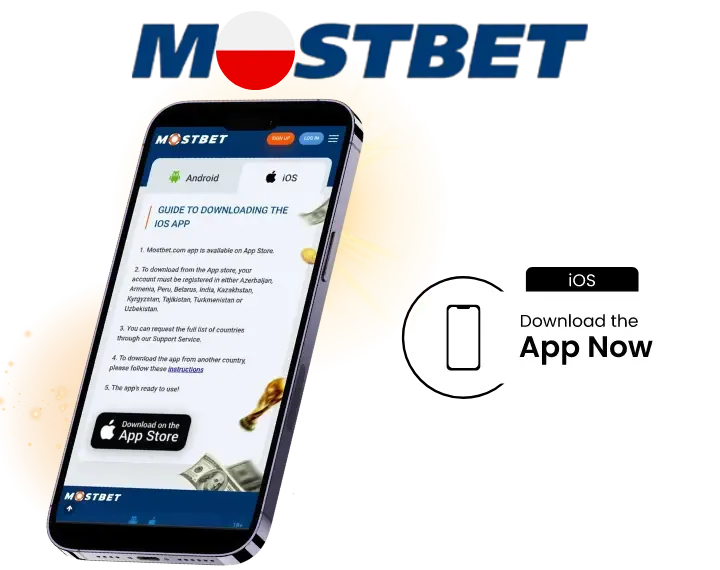
Podaj dane lub użyj biometrii. Zapomniałeś hasła?
Kliknij „Nie pamiętam hasła”, podaj e-mail – link resetu przychodzi w 30 s. Brak maila? Sprawdź SPAM lub napisz na czat / zadzwoń +48 22 104 01 55.
Wejdź w Portfel → Wypłata, wybierz BLIK, przelew, Skrill, Jeton lub krypto. Minimum 40 PLN, prowizja 0 %. Każdą transakcję potwierdzasz SMS-em 2FA.
Tabela 2 – Metody płatności
| Metoda | Min. depozyt | Min. wypłata | Opłata | Czas wypłaty |
| BLIK | 10 PLN | 40 PLN | 0 % | do 2 h |
| Przelewy24 | 10 PLN | 40 PLN | 0 % | 2–4 h |
| Visa/Mastercard | 20 PLN | 100 PLN | 0 % | 1–3 dni |
| Skrill/Neteller | 40 PLN | 40 PLN | 0 % | 15 min–2 h |
| Kryptowaluty (USDT, BTC) | ≈50 PLN | 50 PLN | 0 % | 10–30 min |
Tak – natywne wersje na Androida i iOS.
BLIK, Przelewy24, karty, e-portfele, kryptowaluty (patrz tabela 2).
W zakładce Promo lub przy depozycie wpisz kod. Sprawdź warunki obrotu w każdej ofercie.
BLIK, Przelewy24, Visa/Mastercard, e-portfele, SEPA, USDT, BTC.
Tak – limit stawki, lista gier z niższym wkładem, termin ważności. Szczegóły w regulaminie każdej promocji.
Od 15 min (Skrill) do 3 dni roboczych (karty).
125 % do 2 000 PLN + 250 spinów lub zakład bez ryzyka na sport.

Copyright © 2025. Pełna lub częściowa reprodukcja w jakiejkolwiek formie lub na jakimkolwiek nośniku bez wyraźnej pisemnej zgody jest zabroniona. Gracze muszą mieć ukończone 18 lat i znajdować się w jurysdykcjach, gdzie hazard online jest legalny. Prosimy grać odpowiedzialnie. Stawiaj z rozwagą, a nie ponad swoje możliwości. Jeśli Ty lub ktoś, kogo znasz, ma problem z hazardem i potrzebuje pomocy, zadzwoń lub odwiedź Gamecare: Gamecare.
© 2025 Mostbet Polska
Developed & Promoted by